
What an Accessory Dwelling Unit Really Is
An Accessory Dwelling Unit (ADU) is a legally permitted secondary living space on the same lot as a primary residence. It is not simply a finished basement or an added bedroom. An ADU must meet zoning requirements, building code standards, and often independent utility or egress conditions depending on municipality.
In Central Massachusetts, ADUs are increasingly used for:
- Multi-generational living
- Aging-in-place planning
- Rental flexibility
- Property value expansion
But they must be designed within regulatory frameworks.
Snippet-Ready Summary:
An accessory dwelling unit is a legally permitted secondary living space on a residential lot that must comply with zoning, building code, and structural requirements.
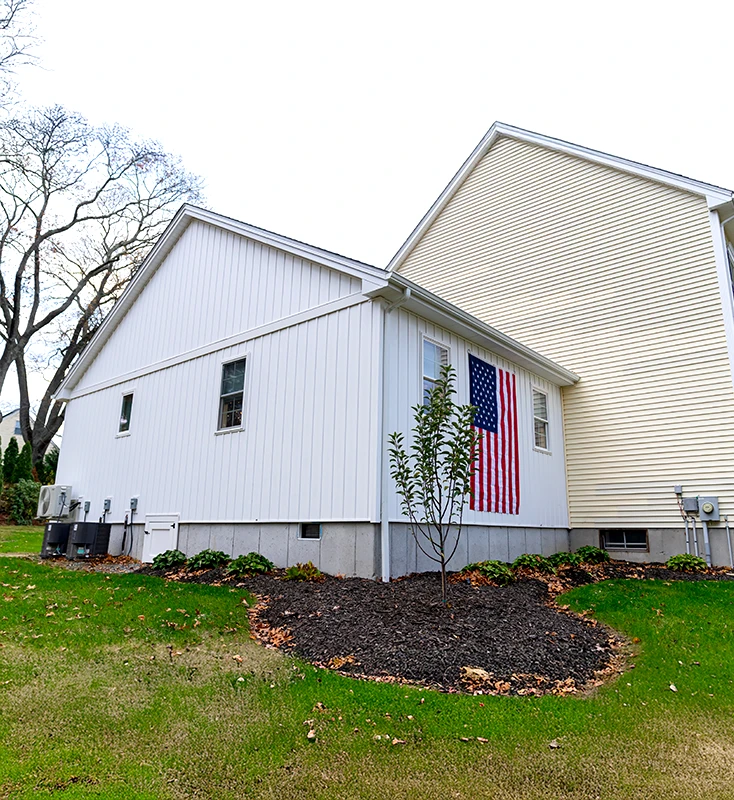
ADU vs Addition vs Basement Conversion
An ADU is not automatically the same as a Home Addition or Basement Finishing
A Home Addition expands the primary residence but does not create a separate dwelling unit.
A Finished Basement may add living space but does not automatically qualify as a legal rental unit.
An ADU is a defined secondary dwelling that meets specific municipal criteria.
Understanding this distinction protects homeowners from zoning violations and permit complications.
For structural expansion projects, explore:
For lower-level transformations, explore:
Types of ADUs We Build
Detached ADUs
Attached ADUs
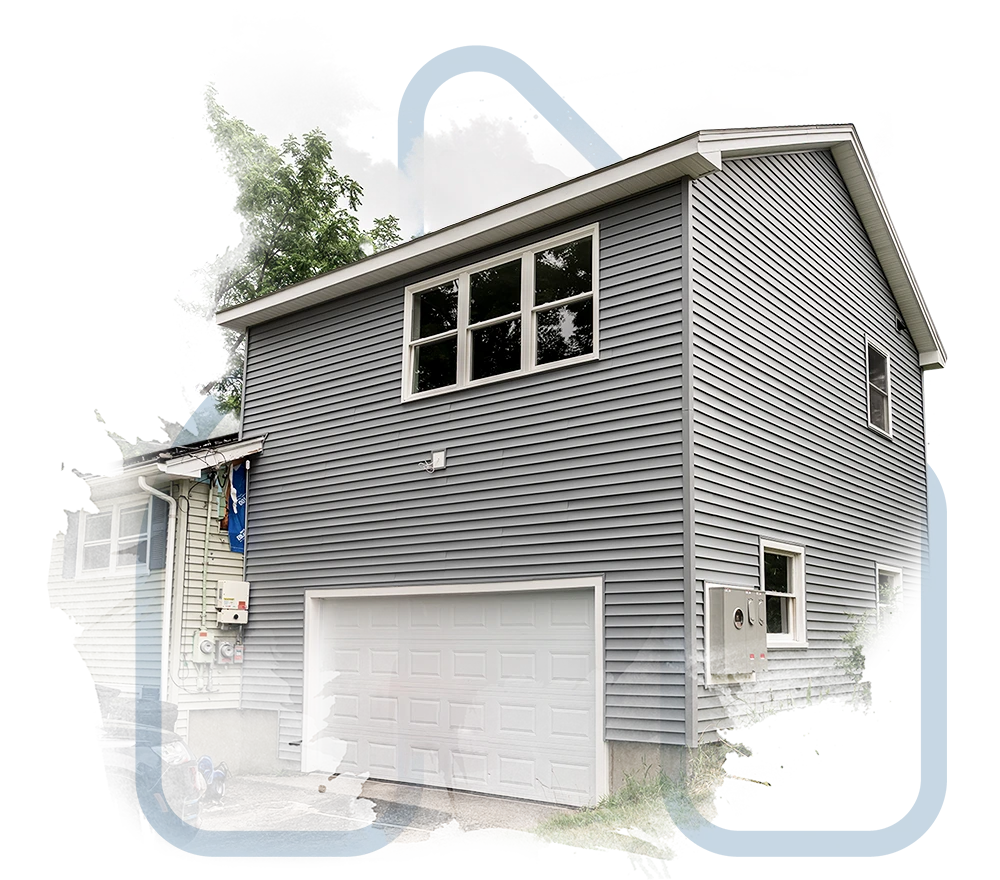
Garage Conversions
Basement ADUs
Each type requires careful zoning review.
Zoning and Regulatory Considerations in Central Massachusetts
ADU regulations vary by municipality.
Key factors often include:
Lot size requirements
Owner-occupancy rules
Parking requirements
Square footage limits
Height restrictions
Setback compliance
Towns like Grafton, Worcester, and Milford, along with surrounding communities, frequently update their local zoning ordinances and land-use bylaws. These periodic adjustments can significantly impact property development rights and structural requirements.
To mitigate risk, we conduct a comprehensive feasibility review before any formal design begins. This proactive approach confirms allowable use and identifies potential regulatory hurdles, ensuring your project is built on a compliant foundation.
What Does It Cost to Build an ADU in Central Massachusetts?
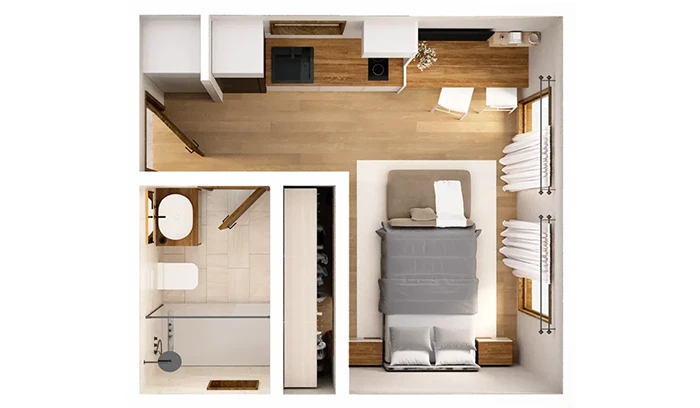
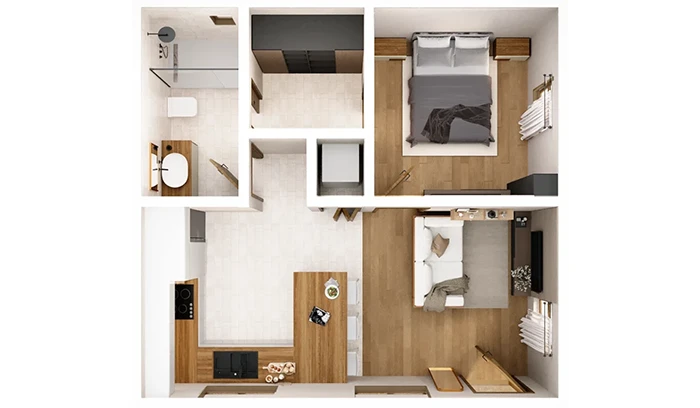
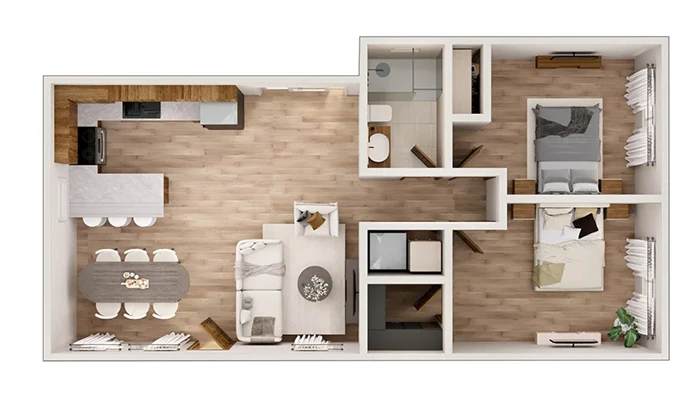
Site work, utilities, and permitting may add additional cost depending on lot conditions.
Snippet-Ready Cost Block:
Accessory dwelling units in Central Massachusetts typically range from $350 to $550 per square foot depending on size, utilities, site conditions, and structural complexity.
Timeline Expectations
Feasibility & Design: 2–4 months
Permitting: 1–4 months depending on town
Construction: 6–10 months
Most ADU projects in Central Massachusetts take approximately 9 to 14 months from feasibility review to final completion.
Structural and Mechanical Planning
ADUs require:
- Separate HVAC planning
- Electrical load calculations
- Plumbing layout compliance
- Fire separation standards
- Energy code compliance
- Independent egress planning
Improper planning can delay permits or fail inspections.
As a licensed Design-Build General Contractor, we coordinate design and construction simultaneously to reduce regulatory risk.

Who ADUs Are Best For
Ideal for homeowners who:
- Plan multi-generational living
- Want long-term property flexibility
- Understand zoning compliance
- Prefer structured planning
Not ideal for:
Informal rental intentions without permit review
Quick or low-budget construction expectations
Why Homeowners Choose Akaza Builders for ADUs
We combine:
Zoning evaluation
Design-build coordination
Permit management
Structural engineering oversight
Construction sequencing
CSL MA – GC – 111836
HIC# 203472
RI GC – 49536
Our focus is regulatory clarity before construction begins.