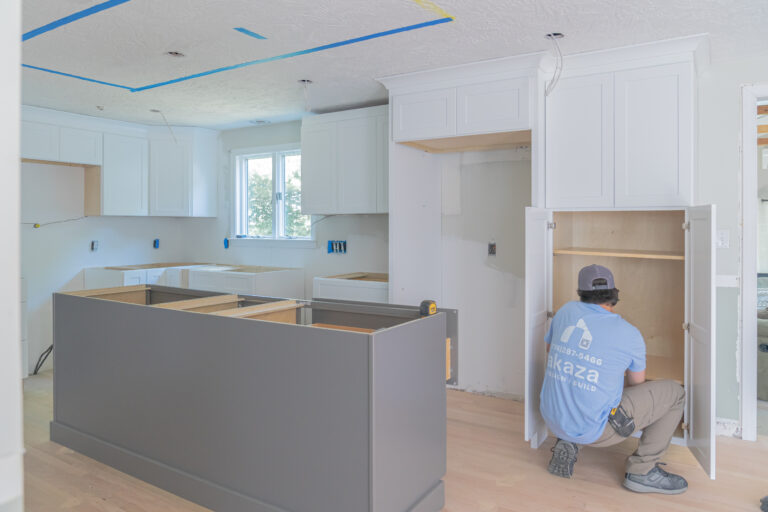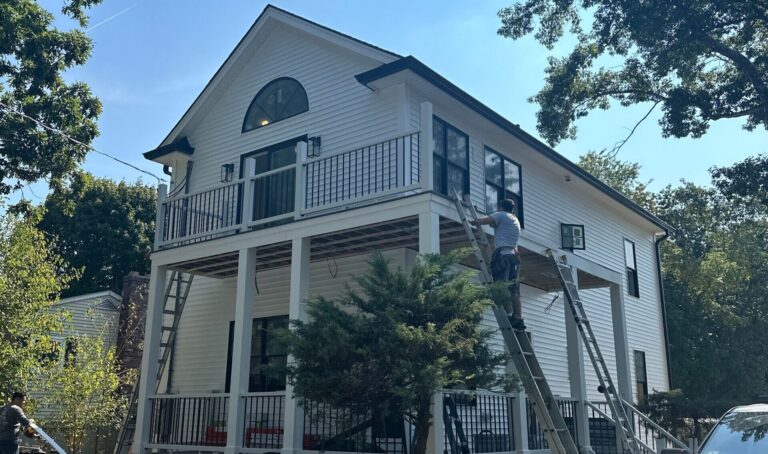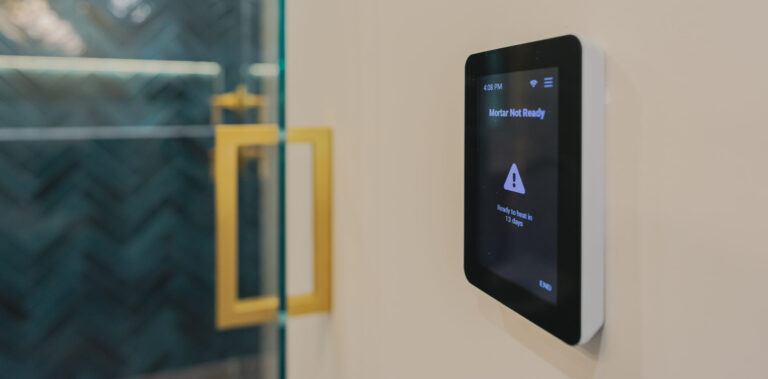
Modern residential technology is transforming how homes are designed, built, and experienced. Today, smart home technology goes beyond convenience—it plays a critical role in improving energy efficiency, strengthening durability, and supporting sustainable homes built for long-term performance. When applied intentionally, residential innovation becomes a strategic investment in resilience, comfort, and future readiness.
Rather than simply adding new systems, modern home automation focuses on creating homes that operate intelligently, adapt to changing conditions, and maintain consistent performance over time.
Energy Efficiency Through Smart Home Technology
Energy efficiency is one of the most immediate benefits of smart home technology. Intelligent systems monitor real-time conditions and adjust heating, cooling, and lighting accordingly, reducing unnecessary energy use while maintaining comfort. These energy-efficient homes deliver measurable cost savings without compromising daily living.
By integrating efficiency into the structure of the home, technology supports predictable performance rather than reactive adjustments.
Climate-Ready Homes Designed for Long-Term Durability
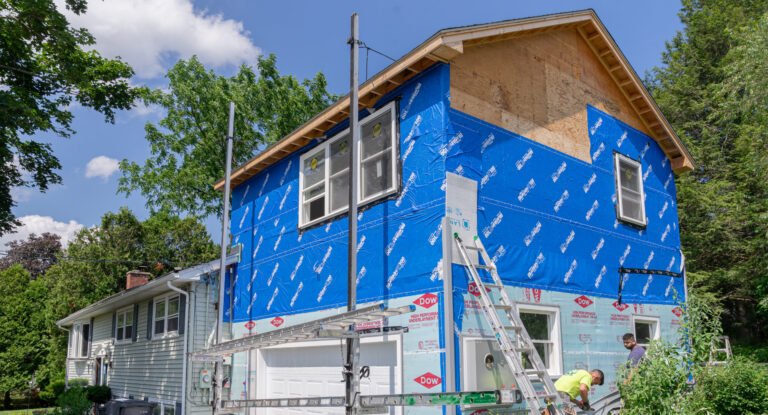
Future-ready homes must respond effectively to changing environmental conditions. Residential technology supports climate readiness through advanced insulation control, moisture management, and environmental monitoring. These systems allow homes to adapt to temperature shifts, weather extremes, and long-term climate trends with greater stability.
Durable homes are not built to react to challenges—they are designed to adapt to them.
Sustainable Homes Powered by Intelligent Systems
Sustainable homes rely on efficient resource management, reduced waste, and responsible energy use. Smart home systems support sustainability through energy monitoring, automated controls, and optimized consumption patterns that minimize operational strain.
By aligning sustainability with performance, residential technology creates long-term value that extends beyond short-term efficiency gains.
Resilient Homes Through Integrated Home Automation
When home automation is integrated into the design process, homes gain resilience. Connected systems communicate and support one another, reducing disruptions and improving reliability. This integrated approach ensures that residential smart systems continue performing efficiently as household needs evolve.
Resilience is achieved through coordination and thoughtful planning, not complexity.
Future-Ready Homes With Flexible Smart Systems
True innovation in residential construction considers how a home will function years from now. Smart home technology allows for flexibility, enabling systems to be updated or expanded without major structural changes. This future-focused approach protects the homeowner’s investment and keeps homes aligned with evolving standards and expectations.
Homes built with adaptability in mind remain relevant, efficient, and durable over time.
Building Energy-Efficient, Sustainable Homes for the Future
Modern residential technology reflects a shift toward smarter, more sustainable living environments. By combining smart home technology, energy efficiency, and integrated home automation, today’s homes are designed to be durable, adaptable, and prepared for the future.
When innovation is applied with purpose, sustainable homes become resilient foundations—built not only for today, but for the long term.