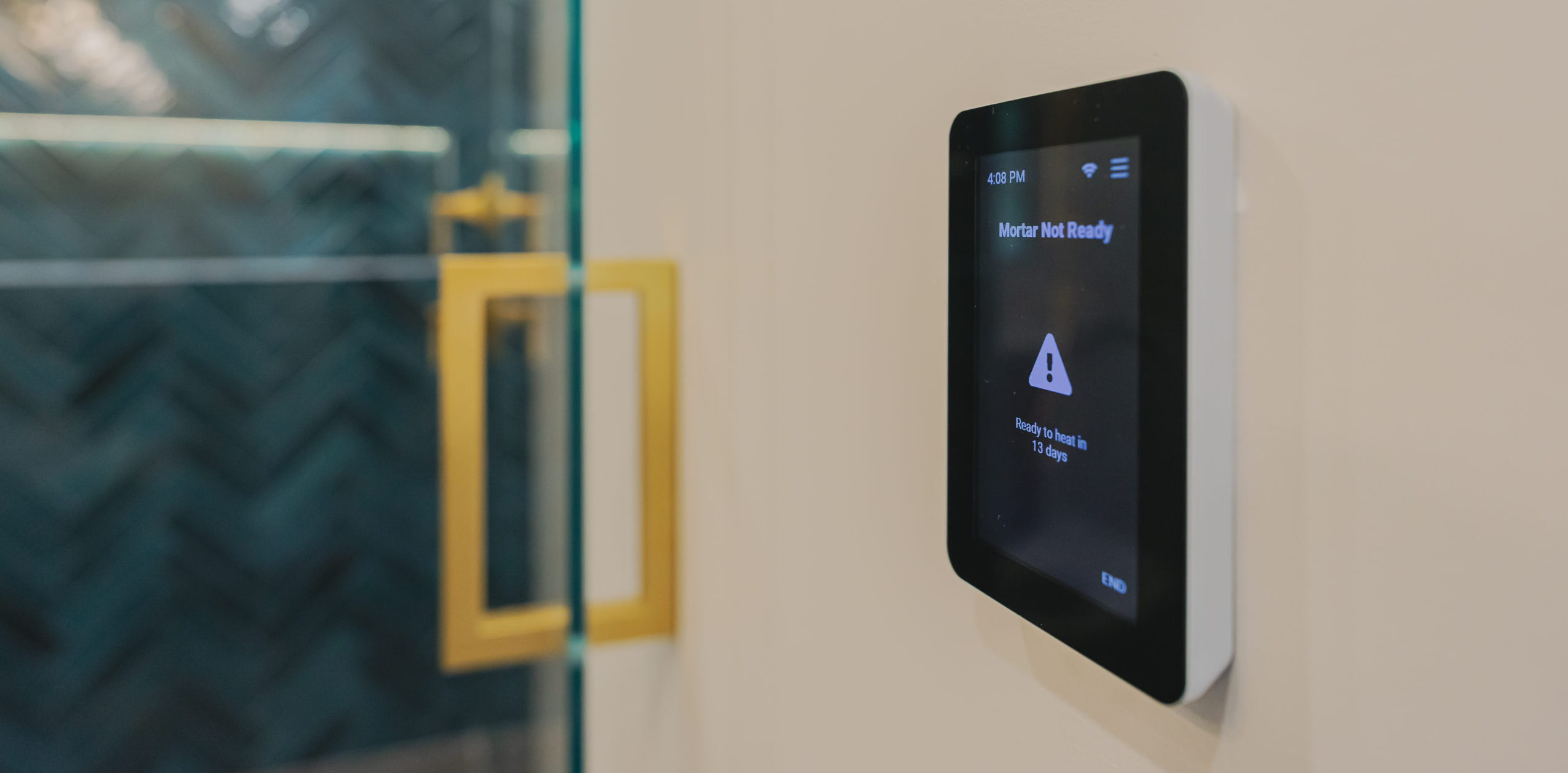
Smart home systems are reshaping how people experience their living spaces. Rather than focusing on novelty,
residential automation is about creating homes that respond intelligently to daily routines, improving comfort, strengthening safety, and supporting a more efficient way of living through thoughtfully integrated technology.
The goal is not complexity. It is clarity. Well-designed smart homes simplify routines, enhance awareness, and make everyday living feel more intuitive from morning to night.
Comfort Designed Around Daily Living
Smart home technology allows homeowners to manage lighting, temperature, and air quality with precision. Automated climate systems adapt to real usage patterns, maintaining consistent comfort while reducing unnecessary energy consumption. Lighting adjusts throughout the day to support focus, relaxation, and natural rhythms.
When comfort aligns seamlessly with daily habits, the home becomes easier to live in and easier to enjoy.
Safer Living Through Intelligent Systems
Modern home security technologies integrate naturally into daily life. Smart cameras, sensors, and access controls provide real-time awareness without constant intervention. Homeowners remain informed and in control whether they are at home or away, with systems designed to support peace of mind rather than disrupt routines.
Security works best when it is present, reliable, and unobtrusive.
Energy Awareness and Responsible Use
Energy management is a core benefit of residential automation. Connected systems monitor usage patterns and make adjustments automatically, reducing waste while maintaining comfort. From intelligent thermostats to power monitoring, smart homes support responsible energy use without requiring daily effort.
Efficiency becomes a built-in feature rather than an ongoing task.
Technology That Supports Well-Being
Smart homes reduce friction in everyday life. Automated schedules, voice controls, and connected systems streamline tasks and minimize interruptions. Over time, these efficiencies create a calmer, more balanced living environment where technology supports routines instead of competing with them.
The most effective technology feels natural, not noticeable.
Innovation With a Human Focus
The value of smart home innovation lies in how it improves daily living. When systems are designed with intention, comfort, safety, and sustainability work together. Homes become more responsive over time, adapting to changing needs without constant adjustment.
Progress matters most when it enhances how people live.
A Smarter Path Forward
Smart homes reflect a shift toward more intentional residential design. By integrating automation, energy-conscious systems, and user-centered technology, innovation becomes a tool for better living rather than added complexity. When technology is aligned with real needs, the result is a home that feels efficient, secure, and genuinely livable.