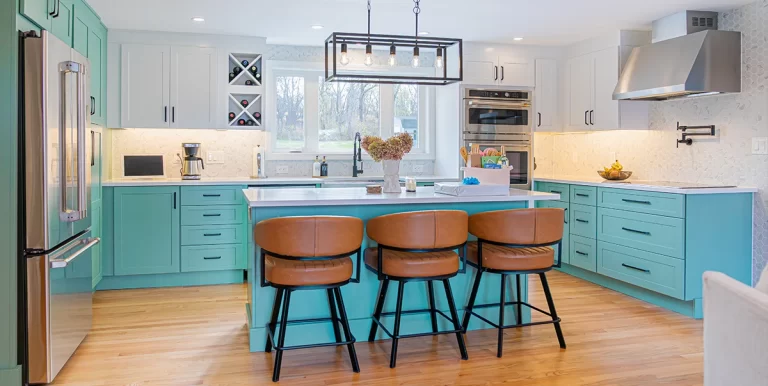
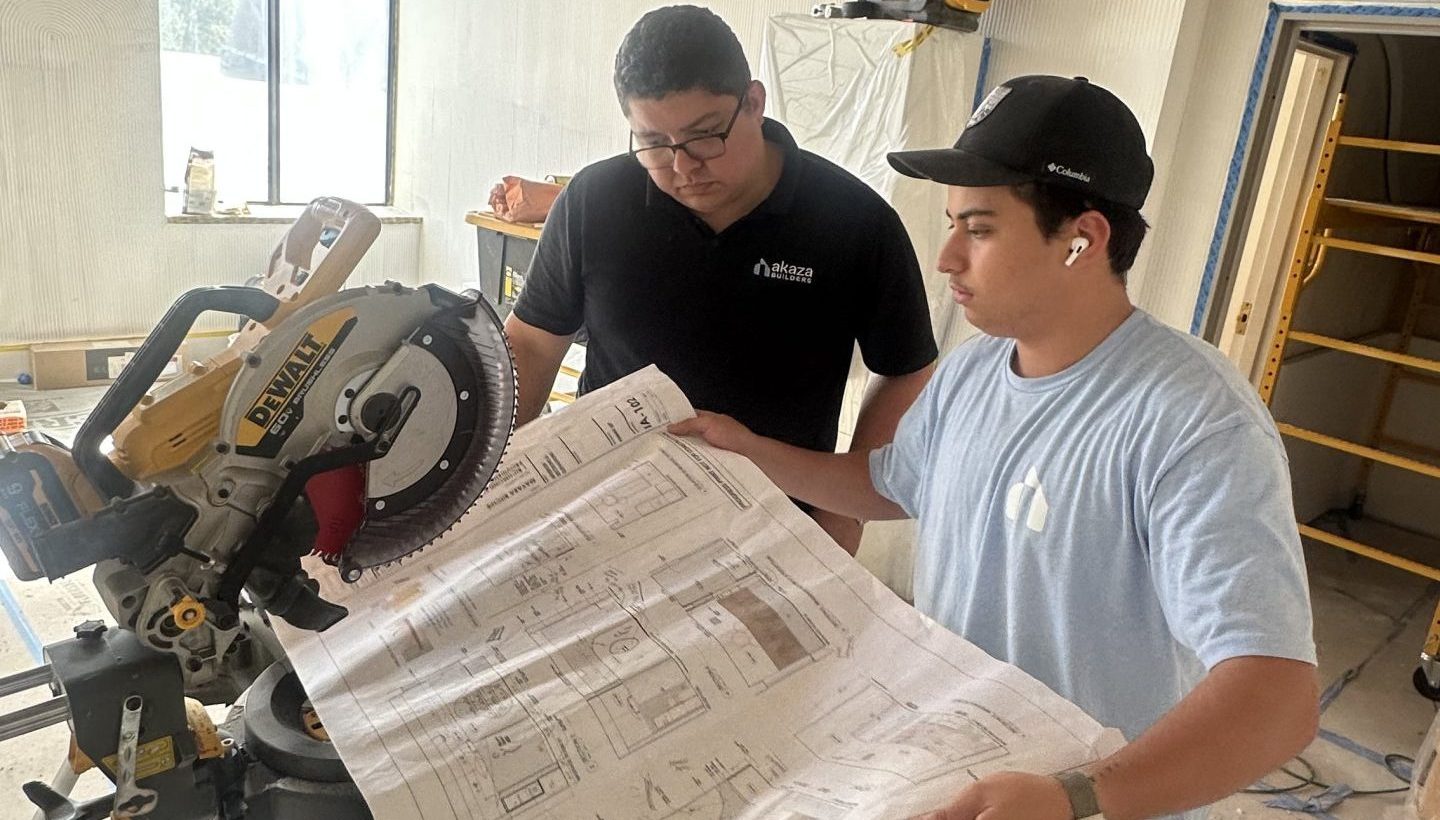
When homeowners think about renovations, they often expect delays, miscommunication, and unexpected costs. Design-Build Projects can mitigate these issues by streamlining the process. Much of that frustration doesn’t come from the work itself — it comes from a fragmented process where designers, contractors, and consultants operate separately.
The Design-Build concept was created to solve exactly that problem.
Working with a single, integrated team brings integrity and transparency to the forefront, while dramatically improving efficiency, communication, and cost control from day one.
What Homeowners Usually Notice First
The benefits of Design-Build often become clear very early in the process.
Homeowners commonly say:
- “Decisions feel faster and clearer.”
- “Everyone seems aligned from the beginning.”
- “I’m not repeating myself to multiple people.”
- “Problems are addressed before they turn into delays.”
Instead of bouncing between designer, contractor, and engineer, you’re dealing with one unified team that shares responsibility for the outcome.
What Integrity and Transparency Really Mean in Design-Build
Design-Build isn’t about rushing or cutting corners. It’s about clarity.
True transparency means:
- One team accountable for both design and construction
- Open conversations about budget, scope, and constraints
- Clear explanations of trade-offs before decisions are made
- Fewer assumptions and fewer last-minute surprises
Because the same team designs and builds the project, ideas are evaluated not only for aesthetics, but also for cost, constructability, and long-term performance.
Why the Traditional Model Often Slows Projects Down
In the traditional design–bid–build model, inefficiency is built into the system.
Common issues include:
- Designs that exceed the budget once construction pricing begins
- Contractors discovering design conflicts only after work starts
- Change orders caused by incomplete or impractical plans
- Delays while different parties debate responsibility
In contrast, Design-Build removes these friction points by aligning everyone around the same goals from the start.
In Simple Terms
When design and construction are separated, problems are discovered late.
When they’re integrated, problems are solved early — often before they exist.
That’s where time and cost savings truly come from.
What Happens Before Construction Even Starts
A strong Design-Build process invests heavily in early planning.
Before permits or demolition, the team focuses on:
- Understanding your priorities and lifestyle needs
- Establishing a realistic budget range
- Evaluating structural, mechanical, and code requirements
- Identifying risks and unknowns upfront
- Aligning design ideas with construction reality
This early collaboration is where innovation thrives — not as expensive surprises, but as smart, buildable solutions.
What We Focus On During a Site Evaluation
A Design-Build site visit goes beyond measurements and finishes.
We evaluate:
- Structural feasibility and load paths
- Existing electrical, plumbing, and HVAC systems
- Opportunities to simplify construction
- Phasing options to control time and cost
- How local inspectors typically enforce code
Because the design team and construction team are the same people, every recommendation is grounded in real-world execution.
Options Within the Design-Build Framework
Design-Build doesn’t mean “one-size-fits-all.” It supports different goals and budgets.
Option 1: Targeted Improvement
Focused solutions that address specific issues efficiently and safely.
Option 2: Optimized Value
Balanced upgrades that improve layout, performance, and longevity without unnecessary complexity.
Option 3: Comprehensive Redesign
A fully integrated transformation designed for long-term living, durability, and future-proofing.
The difference is that each option is explored intentionally, with clear implications for time and cost.
Common Myths About Design-Build
- “It limits creativity.”
In reality, collaboration increases creative problem-solving. - “It’s more expensive.”
Integrated planning often reduces rework, delays, and change orders. - “It’s less transparent.”
With one team accountable, transparency actually increases. - “It’s only for large projects.”
Design-Build works just as well for small renovations and additions.
A Pattern We See Repeatedly
Homeowners who switch to Design-Build often say the same thing:
“I finally feel like everyone is on the same page.”
Even when budgets evolve, the stress level drops because decisions are informed, explained, and anticipated — not reactive.
That’s the power of integrity and transparent communication.
What This Means for Your Renovation
A smooth renovation isn’t about luck.
It’s about a simplified process, clear leadership, and honest collaboration.
Design-Build creates:
- Faster decision-making
- Better cost control
- Fewer delays
- Stronger accountability
- A calmer overall experience
When one team owns the process from concept to completion, efficiency isn’t forced — it happens naturally.
Next Step
If you’re planning a renovation and want a clearer, faster, and more transparent path forward, exploring the Design-Build approach is a smart first move. Understanding the process upfront is often the biggest upgrade of all.